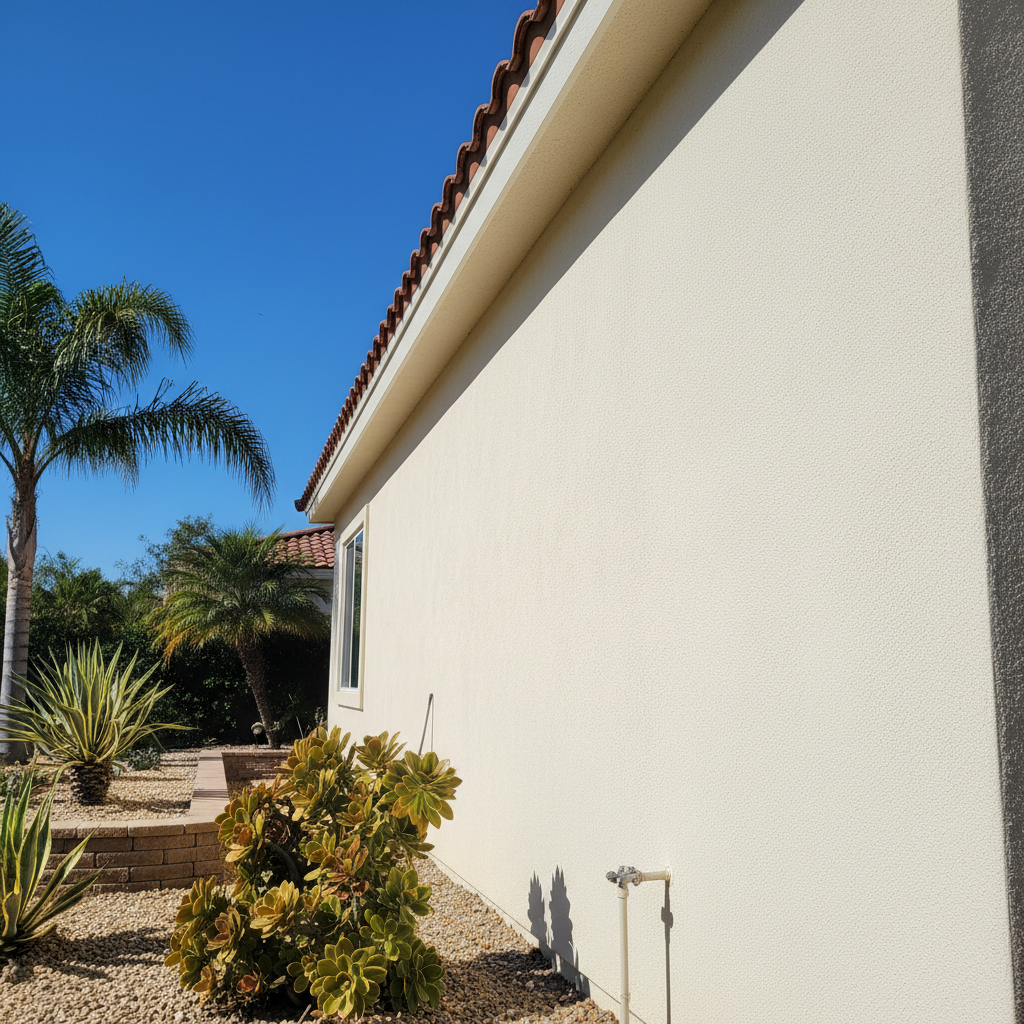
Your stucco does more than just make your house look good; it's the main shield protecting your home from the weather. Here in Garden Grove, with our scorching, dry summers and those occasional wet winters, that stucco really takes a beating. Honestly, you've got to show it a little love if you want it to last. I've seen countless homes, especially in older areas like the one around Lampson Avenue, where a bit of neglect turned into a massive, costly headache. But, with a simple annual inspection, you can spot problems early and keep your stucco strong for decades. It's really that easy.
Making Your Stucco Last Longer: It's Simpler Than You'd Think
So, what's the best way to make your stucco stand the test of time? Keep water out. Sounds too simple, right? But it truly is the number one thing. Stucco is tough, sure, but it's not waterproof; it's water-resistant. If water gets behind it and just sits there, you're in for trouble. That's why good drainage around your foundation is absolutely crucial. Also, make sure your sprinklers aren't constantly drenching the walls. Trim back any bushes or trees that are touching the stucco, because they can trap moisture and even scratch the surface. Oh, and keep those gutters clean! Overflowing gutters will just dump water right down your walls, which is a big no-no.
Regular Upkeep: Your Annual Stucco Check-Up
I tell all my clients: just take an hour once a year, maybe in the spring after the rains have passed, and walk around your house. Look at everything. What exactly should you be looking for?
- Cleanliness: Sometimes, a good cleaning is all it takes to make a huge difference. Dirt, mildew, and algae can build up, especially on north-facing walls that don't get much sun. Usually, a soft brush and a mild detergent solution are all you need. Just don't use a high-pressure washer too close; you could damage the finish.
- Caulking and Sealants: Check around windows, doors, and any spots where things poke through, like pipes or electrical conduits. This is where water just loves to sneak in. If the caulk is cracked, dried out, or peeling, it's time to re-caulk it. This is a super cheap fix that can prevent huge problems later.
- Paint Condition: If your stucco is painted, check for any peeling, bubbling, or fading. A fresh paint job adds an extra layer of protection and keeps everything looking sharp.
Think of it like a dental check-up for your house. A little preventative care now saves you a lot of pain later, believe me.
Warning Signs: What to Keep an Eye Out For
Alright, so you're doing your walk-around. What are the big red flags?
- Cracks: Not every crack is a bad sign. Hairline cracks are pretty normal for stucco as a house settles and temperatures change. But if you see cracks wider than a credit card, or if they're running horizontally or in a stair-step pattern, those are definitely concerning. They might point to structural movement or water getting in.
- Stains or Discoloration: Dark streaks, especially under windows or at the base of walls, often mean water is getting in and running down behind the stucco. Green or black patches? That could be mold or mildew, which screams "persistent moisture problem."
- Bulging or Soft Spots: Gently press on the stucco in different areas. If it feels soft, spongy, or you see it bulging out, that's a serious sign of water damage and rot underneath.
- Efflorescence: This is that white, powdery stuff you sometimes see. It's mineral salts left behind when water evaporates from inside the stucco. It's a clear indicator that water is getting in and then drying out, leaving deposits.
- Pest Infestation: Termites absolutely love damp wood. If you spot mud tubes on your stucco, or any other signs of pests, it's a double whammy: you've got pests, and you've almost certainly got moisture issues attracting them.
When to Call a Pro: Don't Try to Fix Everything Yourself
Look, I'm all for homeowners tackling projects. But sometimes, you just need to call in the cavalry. If you see any of those serious warning signs – wide cracks, bulging, persistent staining, or soft spots – please, don't try to patch it yourself. You might just be covering up a much bigger problem that really needs a professional eye. Sometimes, what looks like a small crack on the surface is actually a symptom of significant water damage to the sheathing or framing underneath. It happens more often than you'd think.
If you're not sure how bad a crack is, or if you suspect water is getting behind the stucco, give us a call at Garden Grove Stucco & Plastering. We've got the right tools and the experience to properly figure out what's going on. We can find where the problem started, fix the hidden damage, and then repair the stucco so it looks like new. Honestly, it's always better to deal with these things sooner rather than later. A small repair now can save you from needing a full re-stucco job down the line.