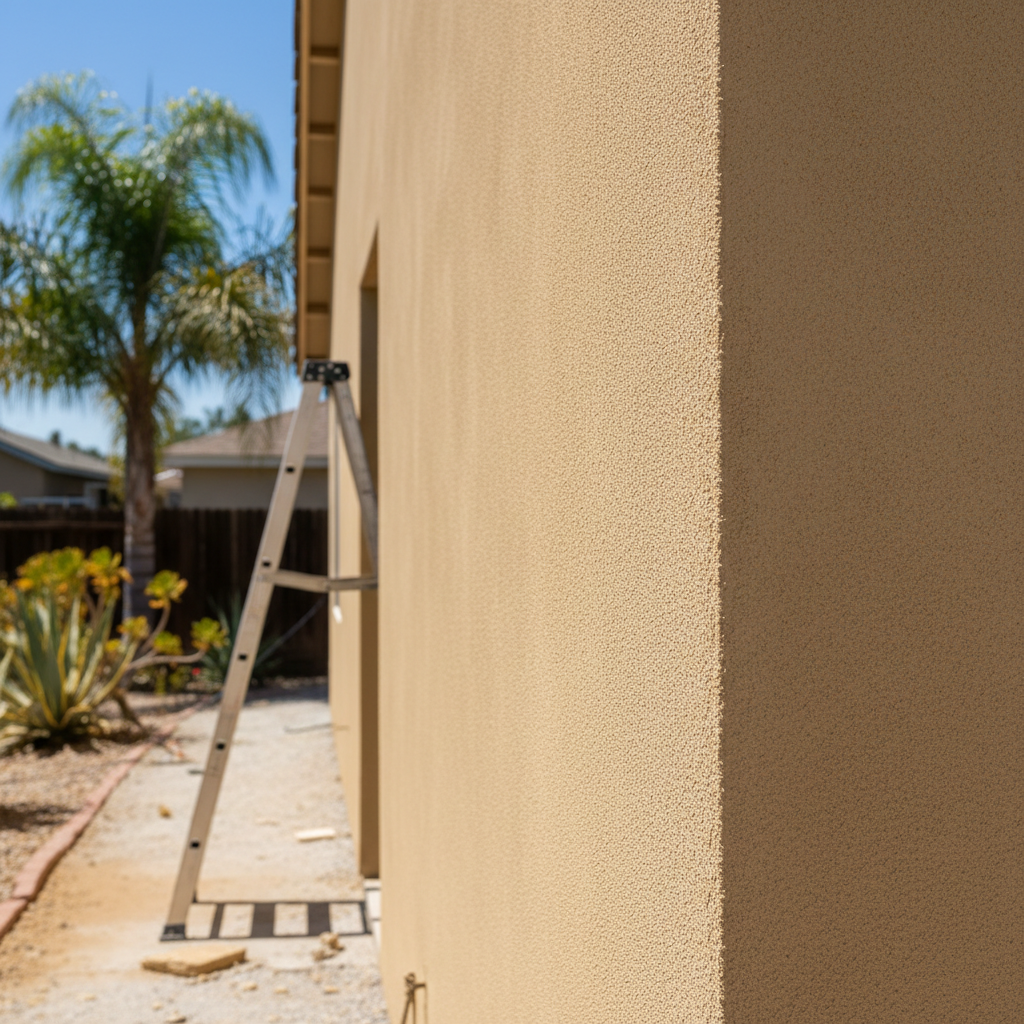
When do I really need to replace my stucco, and when can I just repair it?
This is probably the most common question I get, and it's a good one. Look, if you've got a few hairline cracks or a small section that's chipped off, repair is usually the way to go. We can patch those up, blend the texture, and often you won't even know it was there. But if you're seeing widespread cracking, especially spiderweb patterns across large areas, or if the stucco is delaminating – meaning it's separating from the wall underneath – then you're probably looking at replacement. Another big red flag is water damage. If water's been getting behind the stucco for a while, you might have rot in the sheathing or framing. You'll see soft spots, bulging, or discoloration. In those cases, you need to get that old stucco off to assess the damage and fix it properly. Trying to just patch over serious structural issues is like putting a band-aid on a broken leg; it won't hold up, and you'll be dealing with bigger problems down the road.
What's the process for stucco replacement, start to finish?
Alright, so you've decided replacement is necessary. Here's how it generally goes. First, we protect your property – landscaping, windows, doors, everything gets covered up. Then, we start tearing off the old stucco. This is the messy part, no two ways about it. Once the old stuff is off, we inspect the sheathing and framing underneath. Any rot or damage gets repaired or replaced. This step is crucial, especially in older Garden Grove homes where you might find some surprises. After that, we install new weather-resistant barrier paper, often two layers, which is your primary defense against water intrusion. Then comes the lath – usually metal mesh – which gives the stucco something to grab onto. Next, we apply the scratch coat, then the brown coat, letting each cure properly. Finally, we apply the finish coat, which is where you get your color and texture. After that cures, we clean up the site, and you've got a brand new, solid exterior.
How long does a full stucco replacement project usually take?
That really depends on the size of your house and the complexity of the job. A smaller, straightforward home might take us anywhere from two to three weeks from start to finish. A larger house with a lot of architectural details, or one that requires extensive repairs to the underlying structure, could easily stretch to four to six weeks, maybe even longer. Remember, there are drying times between each coat of stucco, and we can't rush those. If we do, you'll end up with a weaker, less durable finish. We also have to contend with weather. If it's raining, we can't apply stucco. So, while we always aim to work efficiently, quality and proper curing take precedence over speed. We'll give you a more accurate timeline once we see your specific project.
What are my options for new stucco finishes and colors?
Oh, you've got tons of options! For finishes, the most popular ones are smooth, sand, dash, and Santa Barbara. Smooth is sleek and modern, but it shows imperfections more easily. Sand finish has a fine, granular texture. Dash is rougher, with small, sharp projections. Santa Barbara is a hand-troweled, slightly irregular smooth finish that looks really natural and classic. We can also do custom textures if you have something specific in mind. As for colors, the sky's the limit. We work with high-quality integral color stucco, meaning the color is mixed all the way through, so it won't chip or fade like paint. We'll show you samples and help you pick something that complements your home and the neighborhood. I've seen some beautiful transformations in the older neighborhoods near Garden Grove Park, really bringing those homes back to life.
Will replacing my stucco improve my home's insulation or energy efficiency?
Absolutely, it can make a noticeable difference. When we tear off the old stucco, we often find gaps, cracks, or areas where the original weather barrier has failed. By installing new, continuous weather-resistant barriers and applying fresh, dense stucco, you're creating a much more effective thermal envelope around your home. Stucco itself is a pretty good insulator, and when it's applied correctly, it helps reduce air infiltration. Less air leaking in and out means your HVAC system doesn't have to work as hard to maintain a comfortable temperature inside. So, yes, you'll likely see a bump in energy efficiency and potentially lower utility bills, especially during our hot Orange County summers.
How much does stucco replacement cost, and what factors influence the price?
This is the million-dollar question, and honestly, there's no one-size-fits-all answer. The cost of stucco replacement varies quite a bit. The biggest factors are the size of your home, the complexity of its architecture (lots of corners, windows, or intricate details add to the labor), the condition of the underlying structure (if we find extensive rot, that adds to the cost), and the type of finish you choose. Some finishes, like a perfectly smooth or Santa Barbara, require more skilled labor and time. Access to the work area can also play a role – if it's hard to get equipment around, that can impact things. We'll give you a detailed, transparent quote after we come out and assess your specific property. My team at Garden Grove Stucco & Plastering prides itself on fair pricing and clear communication, so you'll know exactly what you're paying for.
What kind of maintenance does new stucco require?
One of the best things about stucco is how low-maintenance it is. Once it's properly installed and cured, it's incredibly durable. For the most part, you just need to keep it clean. A good rinse with a garden hose once or twice a year will usually do the trick to remove dust and dirt. For tougher grime or mildew, a mild detergent and a soft brush can work wonders. Just avoid high-pressure washers, as they can damage the stucco surface. You should also regularly inspect your stucco for any cracks or damage, especially after any significant weather events. If you spot anything, it's best to address it sooner rather than later to prevent water intrusion. Keeping an eye on your gutters and downspouts to ensure water is directed away from your stucco is also a smart move. That's about it – pretty simple for such a robust exterior material.