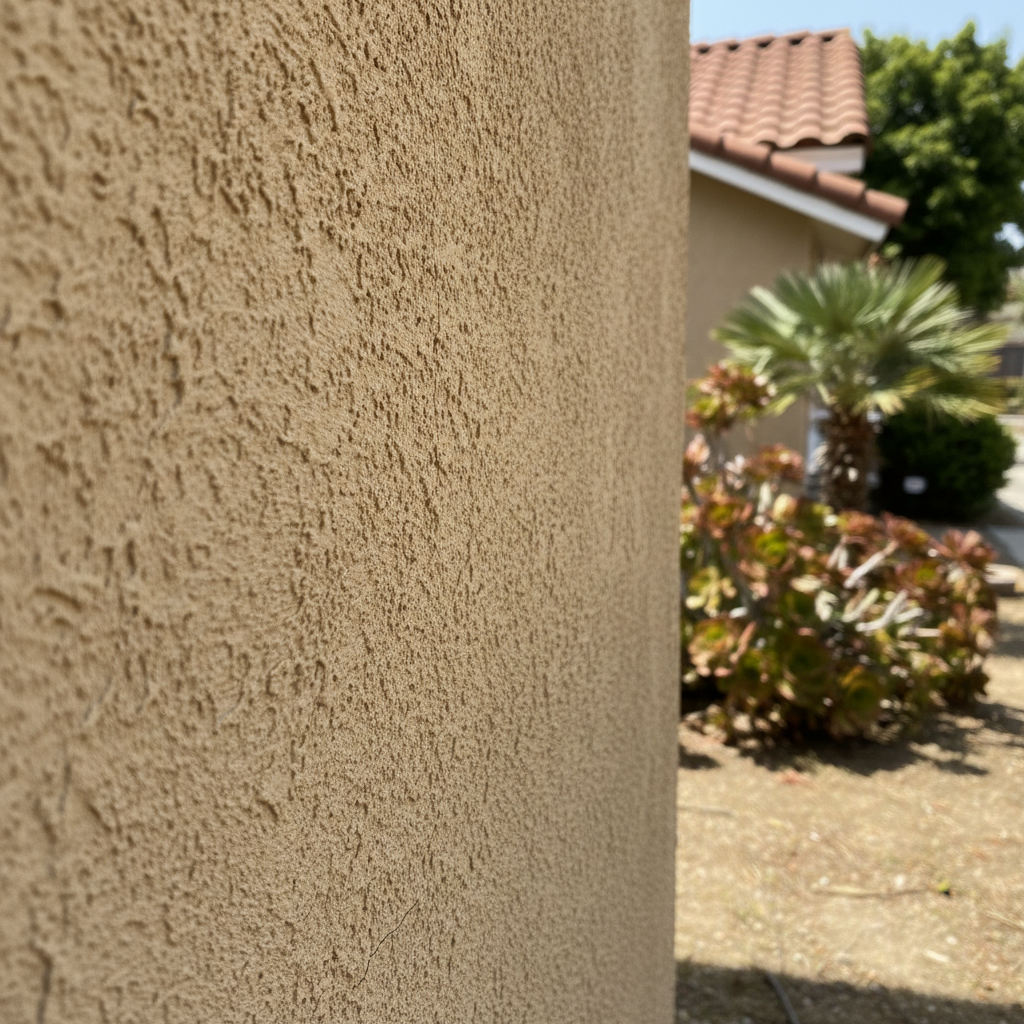
Your stucco's seen better days, hasn't it? Maybe it's cracked way past a simple patch-up, or you're just plain sick of how it looks. Whatever the reason, if you're looking at a full stucco replacement project here in Garden Grove, you've got some big decisions ahead. The main one: can you tackle this yourself, or is it time to call in the pros?
Hold On Before You Start Tearing Anything Down
First things first, let's figure out *why* you're replacing it. Is it just for looks? Or are we talking about water getting in, widespread dry rot, or even structural problems? If it's the latter, seriously, stop right there. That's not a DIY job. You could be looking at serious structural damage, and you absolutely need a professional to check things out before you even think about new stucco.
Now, if it's mostly cosmetic — maybe your old stucco is just crumbling a bit, or the texture is super dated, or you're doing a big remodel anyway — then you can start planning. But even then, you've got to understand the scale of the job. Are we talking about one small wall, or the entire house? A whole house is a huge undertaking for any homeowner, even one who's pretty handy.
You also need to know what's hiding under your current stucco. Here in Garden Grove, especially in some of the older spots, like around Chapman and Euclid, you often find those original lath and plaster systems. Ripping that out? It can be dusty, dirty, and surprisingly complicated. You might uncover all sorts of unexpected things once the old stuff is off, from ancient wiring to wood rot you never saw coming.
Going It Alone: What a DIY Stucco Replacement Really Means
Alright, so you've decided to tackle a smaller section yourself. What does that actually involve? It's way more than just slapping on some mud. Here's a quick run-through of the steps:
- Demolition: This part is messy. You'll need to carefully take off the old stucco, making sure you don't mess up the sheathing or framing underneath. Dust, debris, and sharp edges — that's all part of the fun.
- Prepping the Surface: Once the old stucco is gone, you'll need to check the sheathing. See any rot or damage? Fix it. Then you'll put in a weather-resistive barrier (WRB), usually a couple of layers of building paper. After that, weep screeds go at the bottom and casing beads around openings. This step is critical for keeping water out. Seriously, don't cut corners here.
- Lath Installation: Next up is the metal lath, typically galvanized wire mesh. You'll fasten this securely to the studs. This gives the stucco something solid to grab onto. Getting this flat and tight is super important for a good finish.
- Applying the Coats: This is where the real skill comes in. You'll apply three coats: the scratch coat, the brown coat, and the finish coat. Each one needs to be mixed just right, applied evenly, and given enough time to cure properly. The scratch coat gets pushed into the lath, then scratched for a mechanical bond. The brown coat builds up the thickness and gets leveled out. The finish coat is where you create your texture and color.
- Curing: You absolutely cannot rush this. Stucco needs to cure slowly, especially with our warm Garden Grove weather. Keeping it damp for a few days after you apply it really helps prevent cracking.
Each of these steps demands specific tools, materials, and a fair bit of practice. If the most complex thing you've ever troweled is joint compound, stucco is a whole different ballgame. Getting a smooth, even finish, or a consistent texture, takes a lot of experience.
When to Call Garden Grove Stucco & Plastering
Look, I'm all for homeowners saving a few bucks and learning new things. But there's definitely a point where DIY turns into D-I-Why-did-I-do-this? Here's when you really should call in a professional:
- Large Areas: If you're tackling more than just a small patch, the sheer amount of work and material handling makes it way too much for one person or a weekend crew.
- Water Damage or Structural Concerns: Like I said, if you think water's getting behind your walls, or you notice sagging, bowing, or major cracks, you need an expert to figure out and fix the root problem first. Stucco is just the skin; the bones underneath need to be healthy.
- Complex Architectural Details: Arches, intricate trim, or lots of tricky corners? These are tough even for seasoned stucco applicators.
- Time Constraints: Stucco replacement isn't a quick job. Every coat needs time to cure. If you need it done efficiently and correctly, a professional crew can finish it in a fraction of the time it would take you.
- You Want a Warranty: A professional stucco contractor, like us at Garden Grove Stucco & Plastering, will stand behind our work. If something goes wrong, we'll fix it. You just don't get that with a DIY job.
- Lack of Experience: Be honest with yourself. Have you ever done this before? Do you have the right tools? The learning curve for stucco can be pretty steep, and mistakes can be expensive to fix.
Ultimately, replacing your stucco is a big investment in your home's exterior. Doing it right means it'll protect your home and look fantastic for decades. Doing it wrong, however, can lead to ongoing issues, water damage, and a whole lot of headaches down the road. So, weigh your skills, your time, and the potential risks carefully before you decide to go it alone. Sometimes, paying a pro is the smartest money you'll ever spend.